Reef Enhancement for Scour Protection (RESP)
 @ARC marine
 @ARC marine
 @ARC marine
 @RWE
@RWE
 @ARC marine
Objectives
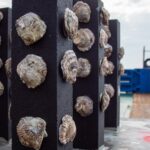
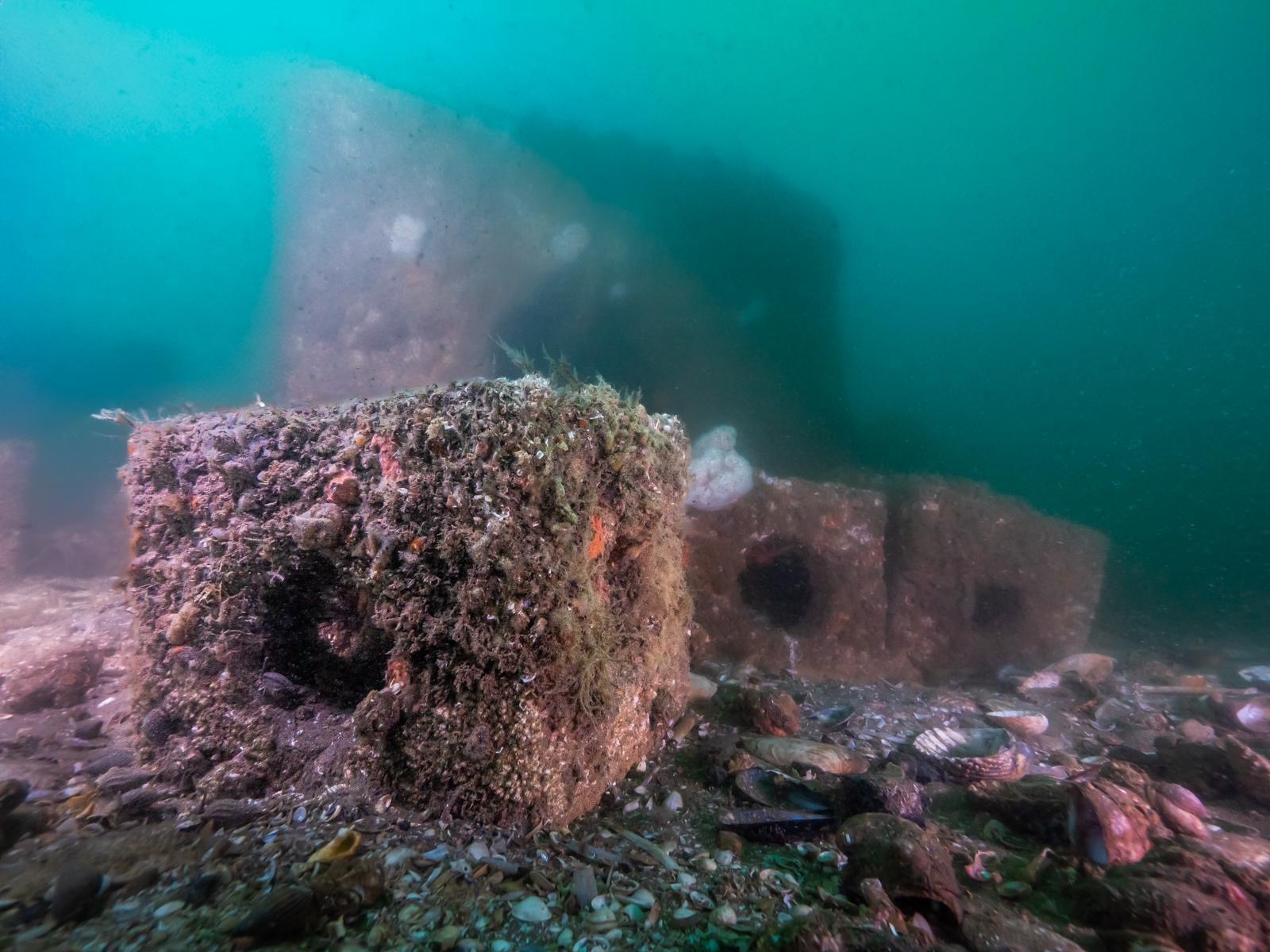
The RESP pilot project by RWE and ARC marine uses eco-engineered Reef cubes® as a 100% alternative to traditional rock scour protection, enhancing marine biodiversity while protecting offshore infrastructure. The target species include encrusting and reef forming species like molluscs, anemones and algae, and associated fauna like crustacean and fish.
Short description
‘Scouring’ is seabed erosion due to strong currents that accelerate around the turbine foundations and wash away surrounding sediments. Heavy rocks are typically placed on the seabed as ‘scour protection’ to stabilise turbines but NID technologies may offer a more sustainable alternative. The RESP pilot project evaluates the technical and ecological performance of the world’s first full-scale deployment of a nature-inclusive scour pad at an operational wind farm and compares it to traditional rock designs at the Rampion Offshore Wind Farm The Rampion OWF is located between 13 and 20 km (8 and 16 miles) off the coast of Sussex, in the UK. The wind farm has a capacity of 400 MW and 116 wind turbine generators. in the UK.
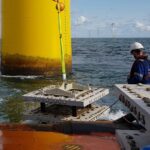
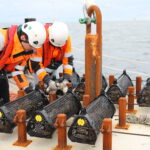
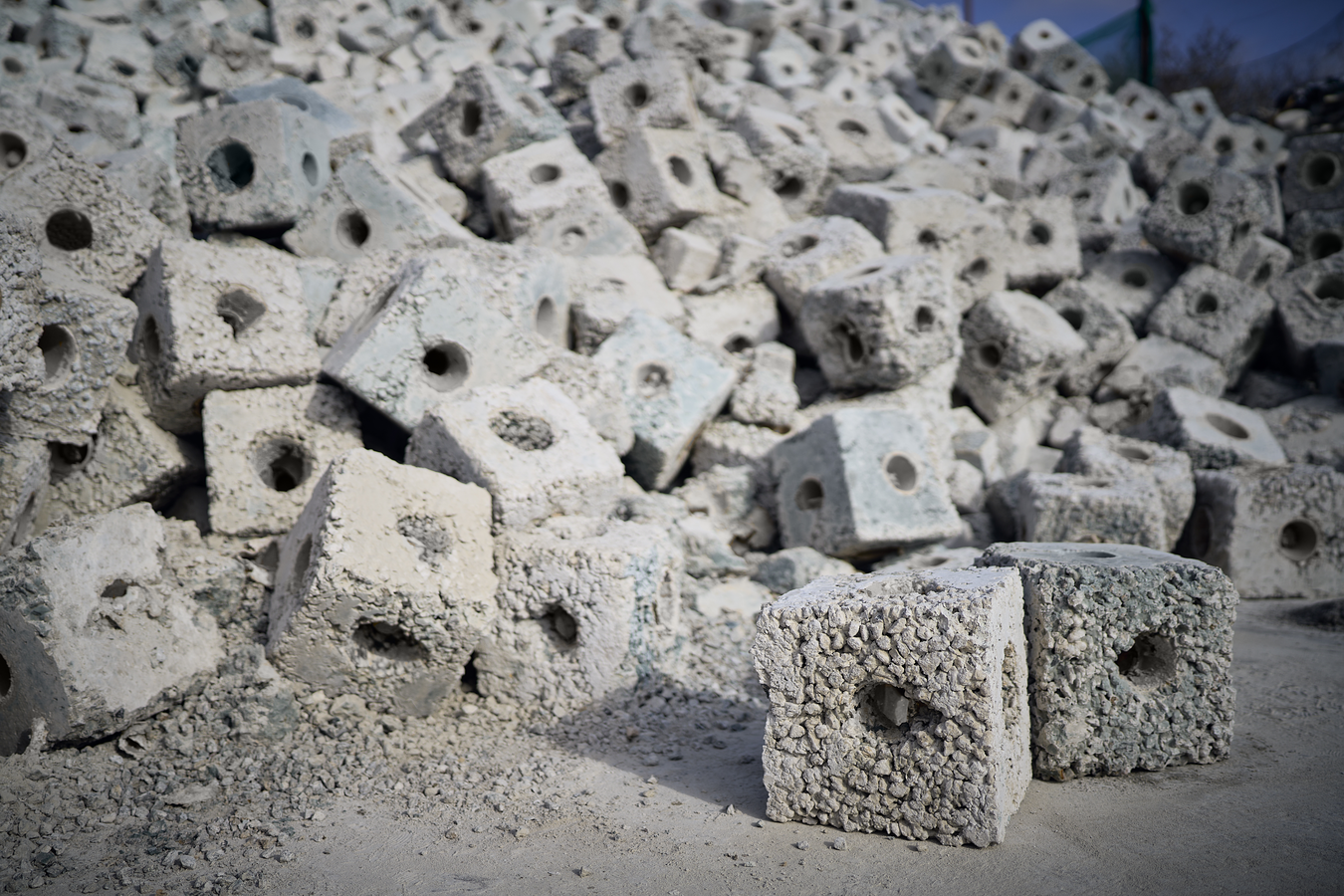
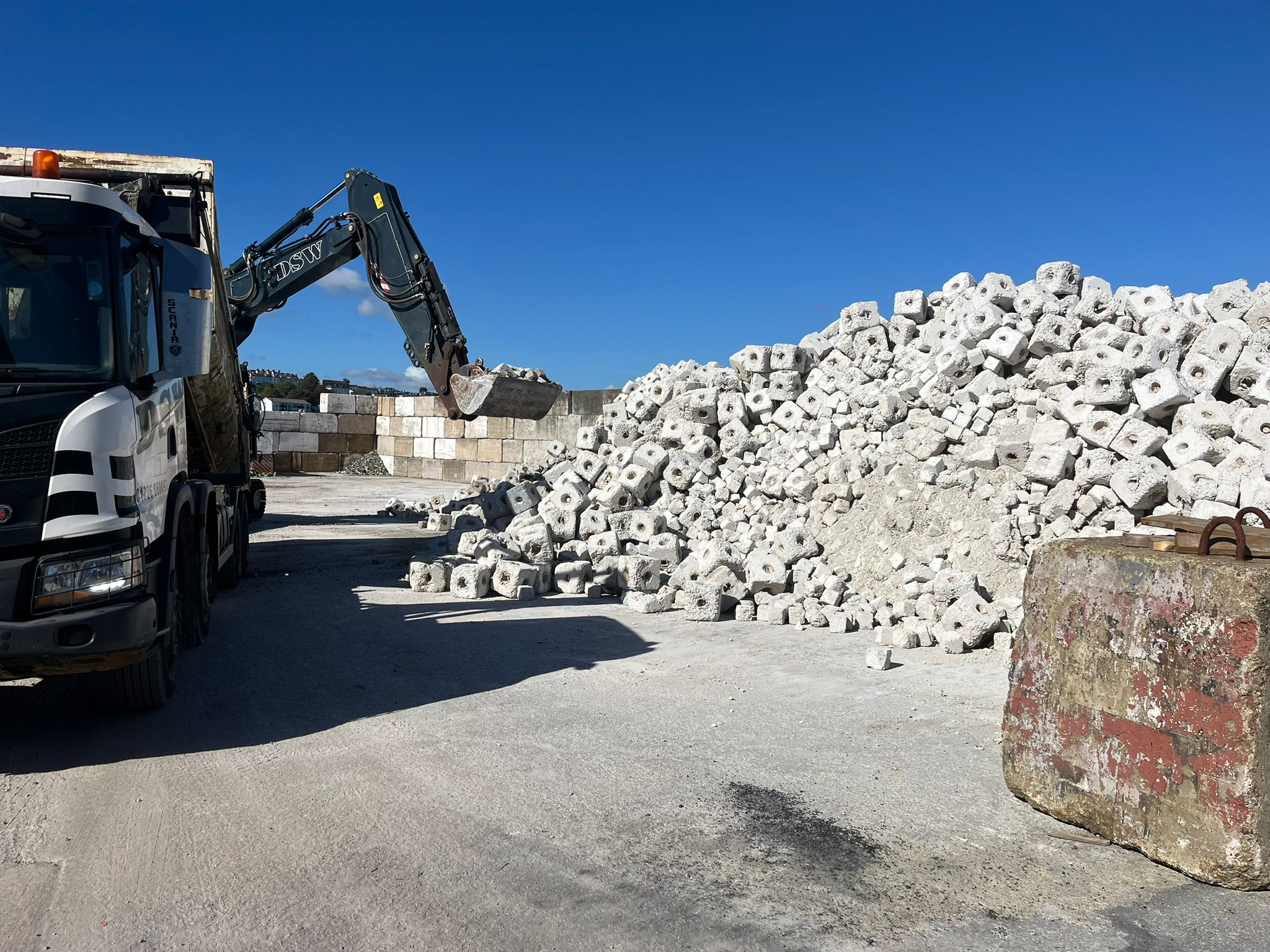
In October 2025, Reef cubes® designed and manufactured by ARC marine using low-carbon, carbon neutral and carbon negative mix designs were installed through a fall pipe by installation contractor Rohde Nielsen over three days. Reef cubes® provide approximately 25% more surface area than an equivalent rock scour pad and include more than twice as much internal habitat space. The RESP NID pad aims to provide habitats for local marine species, such as juvenile fish, common starfish, and brown crab, while simultaneously providing effective scour protection for wind turbine foundations.
The project has been delivered over three phases: 1) The development phase started in 2023 and included: bathymetric surveys and technical analysis, ecological ‘baseline’ surveys, hydrodynamic stability testing of the RESP scour pad, engineering risk assessments and securing a marine licence for the full-scale deployment; 2) The implementation phase in 2025 included: manufacturing 75,000 eco-engineered Reef cubes® using locally sourced, low-carbon, and recycled materials, testing the installation logistics, and then the full-scale installation of the Reef cube® scour pad. 3) The project is now in the operational phase which includes: post-installation monitoring of target species and habitats to detect biodiversity gains (from 2026 to 2030), regular bathymetric monitoring, and the comparison against results from traditional rock scour pads and unprotected turbines.
RESP aims to inform future use of NID structures within offshore wind farms by demonstrating a scalable solution designed to deliver both engineering reliability and ecological value. This experience is essential for helping to evaluate the cost-effectiveness and real-world benefits of NID and can help shape the deployment of biodiversity-positive technologies at scale in the future.