Biodiversity-enhancing scour protection at the Offshore Test Site
 ©Mecal
 ©Mecal
 ©Mecal
Objectives
The project aims to enhance biodiversity – including species such as crustaceans, mollusks, and fish – in offshore wind farms in the North Sea through the development and testing of nature-inclusive scour protection.
Short description
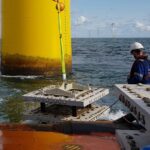
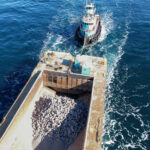
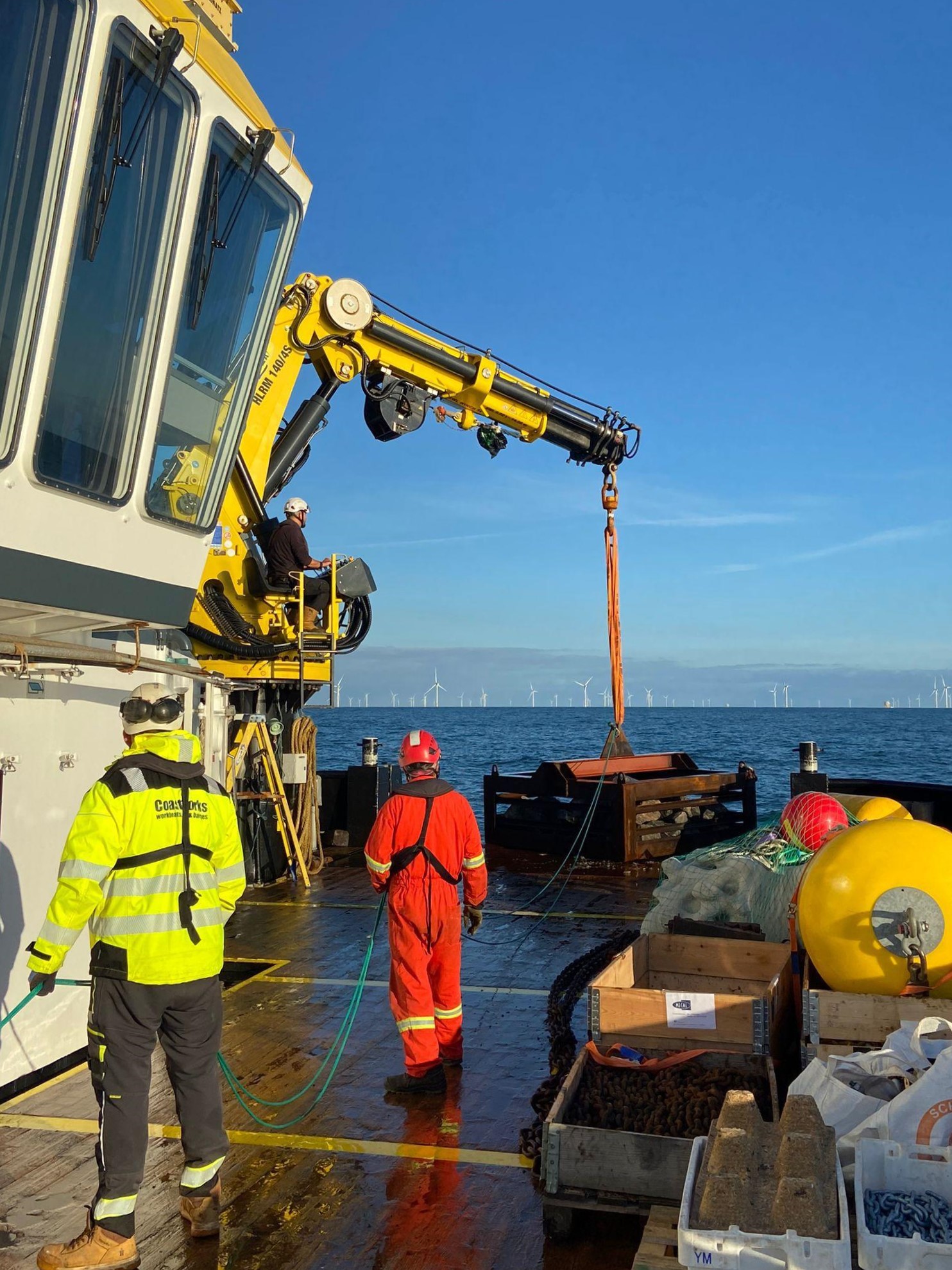
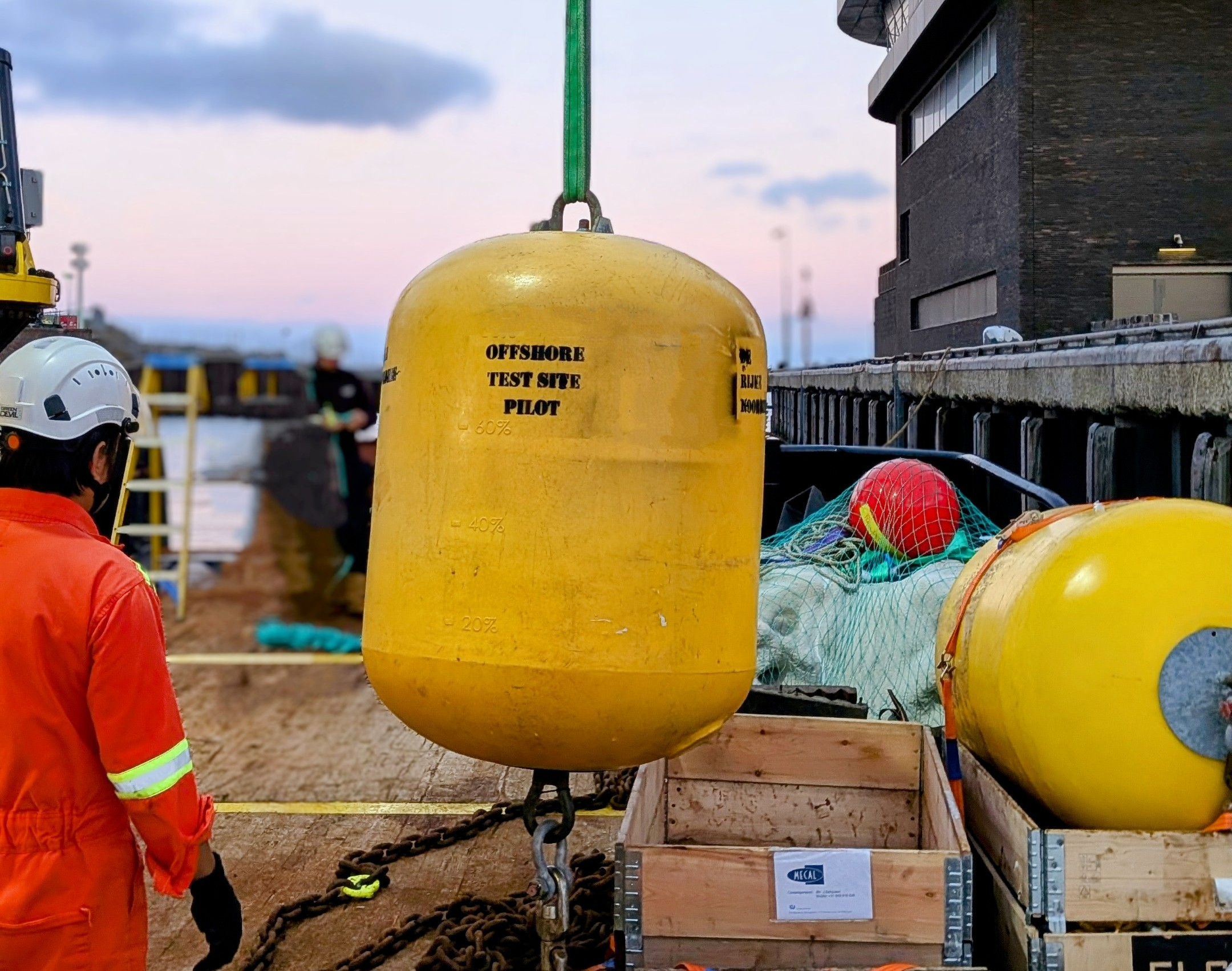
In 2025, Dutch programme The Rich North Sea and engineering firm Mecal installed a pilot comprising multiple Mecal Nodes at an Offshore Test Site (OTS) in the Netherlands as part of the BeWild project.
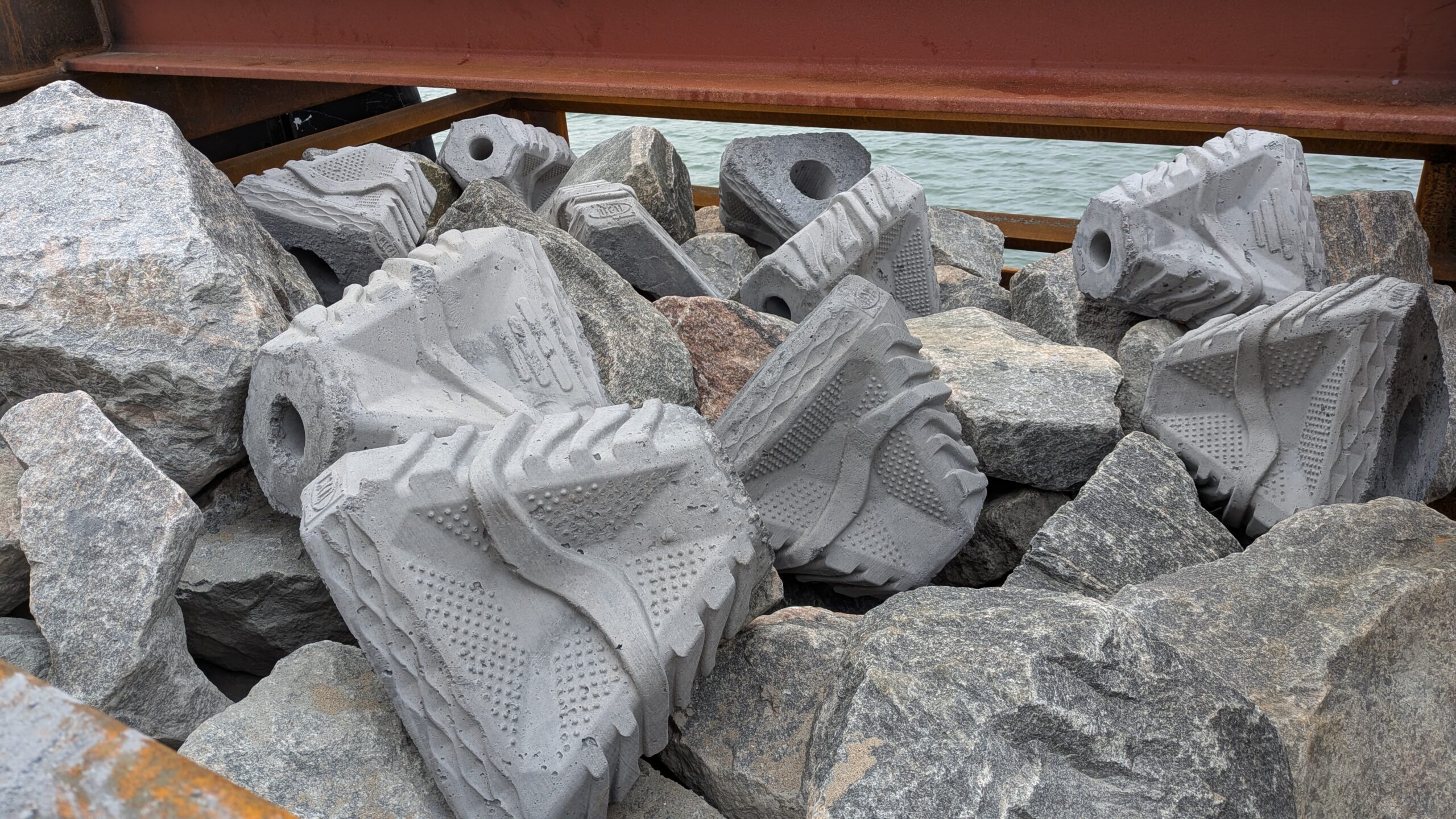
The Nodes are compact, robust modules, with a diameter of approximately 35 cm and made of a special material mix that promotes organism growth. They are designed to function as nature-inclusive scour protection around offshore wind turbines. Their complex shapes and calcareous composition aim to support the development of habitats, providing shelter and breeding grounds for marine species such as Atlantic cod, European flat oyster, crabs, and lobsters.
The Nodes are loosely integrated into the standard armour rock used as scour protection for offshore wind turbines, helping to minimise costs while maintaining the nature-enhancement function of the overall scour protection system. The Nodes are also designed to withstand severe North Sea storms.
The Offshore Test Site is located twelve kilometres offshore and is a designated area in the Netherlands for testing new technologies. At this site, innovations can be validated in a real-world environment before large-scale deployment. The Rich North Sea team has used this location to test several nature-inclusive solutions currently applied within offshore wind industry pilots.
In summer 2026, the first monitoring survey will assess the quantity and diversity of marine life that has settled on and around the Nodes using a standard MOO method, in which divers collect ecological observations underwater. This includes recording both the presence and absence of species, estimating abundance in broad classes, and submitting observations to a central database. The effectiveness of this nature-inclusive scour protection will then be evaluated in terms of its role as a shelter and breeding ground for marine species.